As election seasons become increasingly complex, the nature of election misinformation has evolved, challenging democratic processes worldwide. Understanding these changes is crucial to safeguarding the integrity of future elections.
The new face of election misinformation
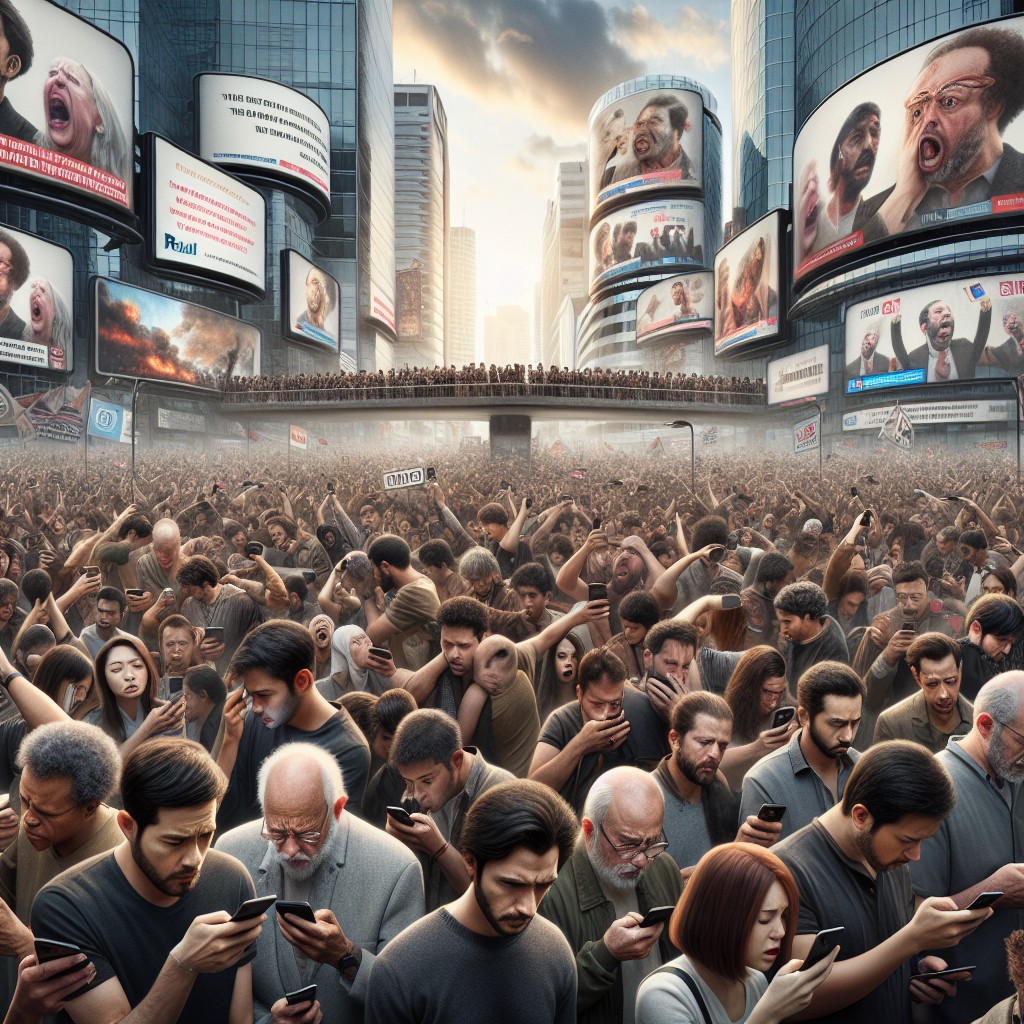
Election misinformation once revolved around simple false claims or rumors spread through word of mouth or traditional media. Today, it has transformed into a sophisticated phenomenon involving coordinated campaigns, deepfake videos, and targeted social media ads. This evolution has amplified the speed and reach with which misinformation spreads, making it harder for voters to discern truth from falsehood.
Role of social media platforms in election misinformation
Social media platforms have become major vectors for election misinformation. Algorithms designed to increase user engagement often amplify sensational or misleading content. Efforts by platforms to moderate and fact-check content are ongoing but face challenges such as the sheer volume of posts and the nuanced nature of election discourse. According to recent analyses, misleading information related to elections can spread faster than factual news, shaping public opinion in real time.
Government responses and regulatory measures
Governments worldwide are responding with new regulations aimed at curbing election misinformation. These include stricter transparency requirements for political advertisements and penalties for coordinated disinformation campaigns. International organizations have also intensified their monitoring efforts. For instance, the United Nations promotes initiatives to enhance digital literacy and accountability during election periods.
Public awareness and media literacy initiatives
Efforts to combat election misinformation increasingly focus on educating the public. Media literacy programs aim to equip voters with tools to identify false information and understand the impact of misinformation on election outcomes. Schools, non-profits, and media outlets have developed campaigns encouraging critical consumption of news, emphasizing verification and skepticism towards unverified claims.
Implications for future election seasons
The trajectory of election misinformation suggests it will remain a persistent challenge. Improved detection technologies and collaboration among governments, tech companies, and civil society are essential to limit misinformation’s impact. Voter trust and democratic legitimacy depend on transparent, accurate information environments, which makes addressing misinformation a continuing priority. The election misinformation landscape is likely to see further technological and regulatory shifts ahead.
Frequently Asked Questions about election misinformation
What is election misinformation?
Election misinformation refers to false or misleading information that is spread during election periods with the potential to influence voter behavior or perceptions about the electoral process.
How does election misinformation spread so quickly?
Election misinformation spreads rapidly due to social media platforms’ algorithms, which prioritize engaging content, often amplifying sensational or divisive messages that may not be accurate.
What measures are in place to combat election misinformation?
Combating election misinformation involves government regulations, platform content moderation, fact-checking organizations, and public education initiatives focused on improving media literacy.
Can election misinformation affect election results?
Yes, election misinformation can influence voter opinions and turnout, potentially impacting the outcomes by creating confusion or mistrust within the electorate.
How can voters protect themselves against election misinformation?
Voters can protect themselves by verifying information through trusted sources, being cautious of sensational claims, and using fact-checking tools to assess the credibility of election-related content.