As global economies continue to evolve, employment statistics are increasingly coming under scrutiny to understand future job markets. Experts predict significant shifts in employment trends by 2026, driven by both technological advancements and demographic changes. This article delves into these anticipated changes and their implications for the workforce.
The Impact of Technology on Employment Statistics
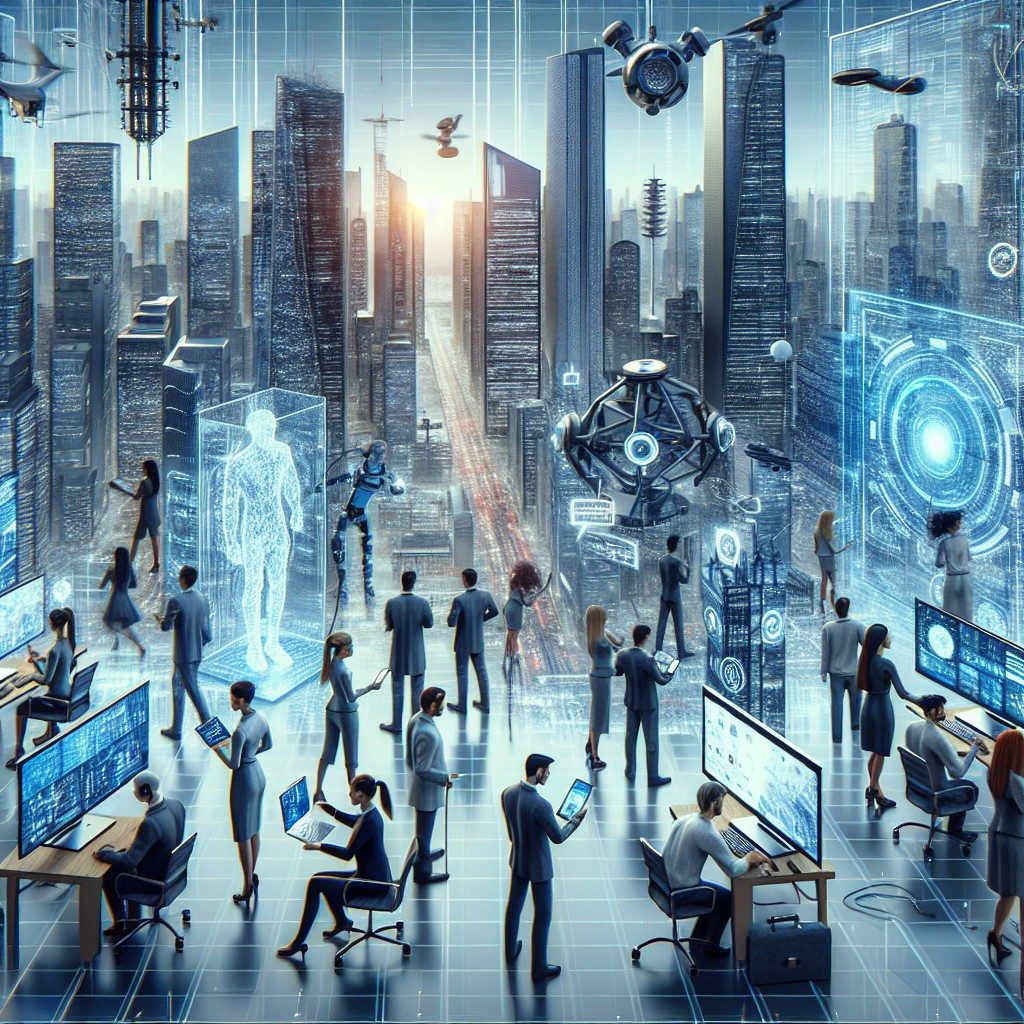
Technology is poised to play a pivotal role in shaping employment statistics in the coming years. Automation and artificial intelligence (AI) are expected to transform traditional job roles, potentially displacing some workers while creating new opportunities in tech-driven sectors. According to a report by the World Economic Forum, by 2026, over 85 million jobs may be displaced globally due to automation, but this will be offset by the creation of 97 million new roles better suited to the new division of labor. As organizations adapt to these changes, understanding employment statistics will be crucial for policymakers and workforce planners.
Shifts in Workforce Demographics
Another key factor influencing future employment statistics is the shift in workforce demographics. The aging population, particularly in developed countries, will lead to a significant reduction in the supply of labor. By 2026, regions like Europe may face labor shortages that could critically impact economic growth. Concurrently, the inclusion of younger and more diverse workforce groups, including increased participation from women and minorities, is expected to reshape job markets. These demographic shifts will necessitate a re-evaluation of employment strategies and policies to ensure balanced growth.
Global Economic Trends and Employment Projections
The global economy is increasingly interconnected, influencing employment statistics across borders. Trade policies and economic conditions can significantly impact job creation globally. Factors such as the ongoing fallout from the COVID-19 pandemic, geopolitical tensions, and climate change are poised to affect labor markets. Economists predict that by 2026, industries such as renewable energy and healthcare will expand rapidly due to both policy initiatives and consumer demand. Understanding these trends through employment statistics will be vital for countries seeking to harness economic growth while addressing potential disruptions.
Frequently Asked Questions about Employment Statistics
What are employment statistics?
Employment statistics are numerical data that represent the number of people employed, unemployment rates, and labor force participation rates within a specific period.
Why are employment statistics important?
Employment statistics are crucial for analyzing labor market trends, informing government policies, and guiding businesses in their hiring strategies.
How frequently are employment statistics updated?
Employment statistics are typically updated monthly or quarterly, providing timely insights into the status of the labor market.
Where can I find reliable employment statistics?
You can access reliable employment statistics from various sources, including government labor departments and international organizations like the Bureau of Labor Statistics.
How do employment statistics affect job seekers?
Employment statistics influence job seekers by providing insights into which industries are growing or declining, helping them make informed decisions about their career paths.